
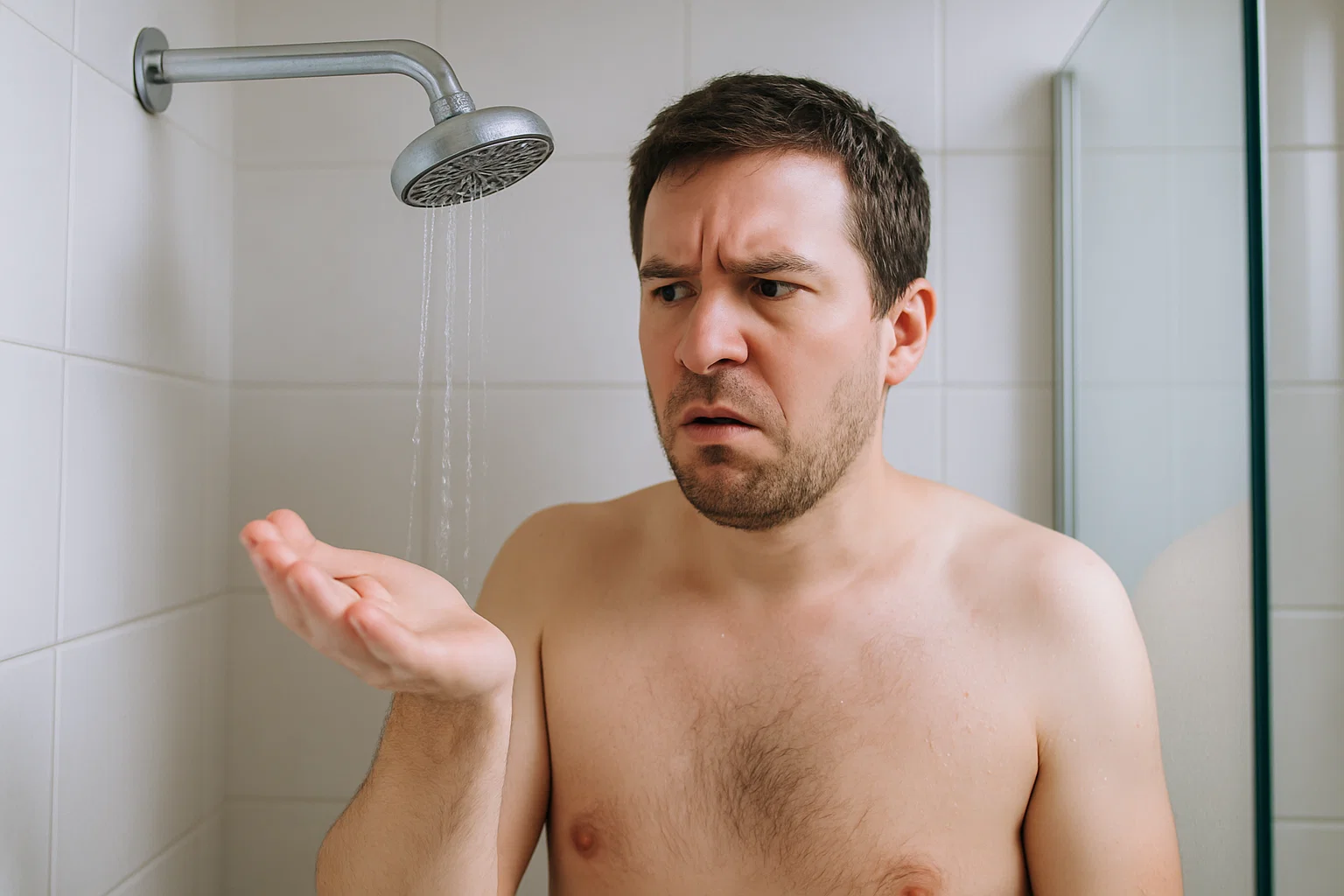
Few things are more frustrating than stepping into the shower only to be met with a weak trickle of water – or trying to rinse dishes while waiting forever for enough water pressure to get the job done. Low water pressure is a common plumbing complaint among homeowners, and it can affect everything from your daily routine to your appliances’ efficiency. But what causes it, and how can you fix it?
Whether you’re dealing with a sudden drop in water pressure or a gradual decline, understanding the root cause is the first step toward a reliable solution. Let’s break down the most common reasons for low water pressure and restore proper home water pressure.
Common Causes of Low Water Pressure
1. Clogged Faucet Aerators or Showerheads
Over time, mineral deposits – especially in areas with hard water – can build up in faucet aerators or showerheads, restricting water flow and causing minor plumbing issues. This is one of the easiest problems to spot and fix.
A clogged faucet outlet can act like a small clogged drain problem, reducing flow and interrupting your daily routine.
DIY Tip: Unscrew the aerator or showerhead and soak it in vinegar overnight to dissolve mineral buildup. If the issue persists, it could be more serious.
2. Faulty Pressure Regulator
Some homes are equipped with a water pressure regulator (or pressure-reducing valve) that controls the pressure entering from the main water line. If this component fails, it can either reduce pressure too much or allow it to spike.
Warning Signs: If your entire home experiences a sudden and dramatic drop in pressure – or if pressure fluctuates – your pressure regulator might be the culprit. This should be addressed quickly because it can affect the performance of your home’s plumbing systems.
3. Hidden Water Leaks
A hidden leak somewhere in your plumbing system can divert water before it ever reaches your fixtures, and professional leak detection helps identify hidden leaks before they spread. In some cases, severe leaks or a burst pipe can quickly turn hidden water loss into a plumbing emergency. Not only does this reduce pressure, but it can also lead to structural damage and increased utility bills. Quick response matters because delays can increase damage and repair costs. Hidden leaks can also create water waste and lead to larger plumbing problems if not found early, especially with severe leaks or clogged drains. This is often part of the diagnostic process a plumber uses to identify low-pressure causes. What to look for:
- Unexplained wet spots in the yard or walls
- Mold or mildew
- Rising water bills without increased usage
- The sound of running water when no fixtures are in use
4. Corroded or Old Pipes
In an older home, galvanized steel pipes can corrode from the inside out, gradually narrowing the water path and reducing pressure in both supply lines and hot water lines, including in areas such as the basement where older piping is often found, which increases the risk of leaks as pipes age. Older homes may also have more complex pipe layouts that require local experience to assess accurately. Over time, this can affect multiple areas of the home. Professional whole-home repiping services is the only permanent solution in this case and should be handled by licensed plumbers who can manage this type of plumbing job professionally and deliver quality results.
5. Municipal Water Supply Issues
Sometimes, the problem isn’t in your home at all. In some cases, low pressure can be tied to municipal supply conditions affecting homes in York, PA or nearby areas, and a local plumbing company may also offer 24/7 emergency plumbing service in York, PA for urgent issues day or night. If the city’s water system is undergoing maintenance, or if your neighbors are experiencing the same issue, the drop in pressure may be coming from the main line.
Depending on where the pressure issue starts, common plumbing services include residential plumbing for household systems, commercial plumbing for business properties, and emergency plumbing service for urgent repairs, each tailored to different needs.
Several reliable plumbing repair services operate in the York, PA area, including local independent contractors and 24/7 emergency providers.
What You Can Do: Call your local utility provider to ask about known issues or scheduled work.
Homeowner’s Low Water Pressure Checklist
Before calling a plumber, use this quick checklist to review common plumbing needs and try a few basic troubleshooting steps first; plumbing services can include repair, maintenance, and installation work for household systems, and many providers help both homes and businesses, with support for urgent emergencies when needed:
- Check multiple faucets – Is the issue isolated or affecting the whole house?
- Remove and clean faucet aerators and showerheads.
- Look for visible signs of leaks around the home.
- Check if your neighbors are experiencing the same issue.
- Inspect your pressure regulator (if present) for irregularities.
A plumber may also inspect faucets, sinks, and toilets to see whether the low-pressure issue is isolated. Routine plumbing maintenance helps prevent bigger repairs, supports longer system life, and can identify potential issues early to save time and money.
A preventative maintenance schedule can reduce the risk of emergencies and extend the lifespan of fixtures and systems. When choosing a plumbing repair service in York, PA, focus on local reputation, proper licensing in Pennsylvania, insurance coverage, transparent pricing, and warranty protection when selecting a reputable local plumbing company. Reputable companies should be licensed to operate in Pennsylvania and carry liability and workers’ compensation insurance. Check recent feedback on Google Reviews and the Better Business Bureau as part of your research.
Many customers also value clear communication, and technicians should show their expertise and knowledge in how they diagnose issues and explain solutions before starting the job. Ask about service-call fees and whether rates are flat or hourly, which often range from $75 to $150. Reputable plumbers also follow industry standards and may offer workmanship and manufacturer warranty coverage.
This step-by-step review can help address minor concerns before they turn into larger repair needs.
Additional Plumbing Issues and Professional Solutions
If low pressure may be related to a drain problem, note that kitchen drains often clog from cooking grease buildup that solidifies on pipe walls, while bathroom drain blockages commonly involve hair binding with soap scum, and effective drain cleaning may be needed when a hidden blockage or clogged pipe is affecting flow. The same practical approach can matter when checking a water heater for early signs of trouble, since common water heater problems can affect performance and reliability, especially when sediment buildup in the tank causes rumbling or popping sounds that are mistaken for mechanical failure; in some cases, a professional may recommend a flush before assuming the unit needs replacement. Service may also involve evaluating the full unit and, in some homes, related equipment such as a furnace when systems interact.
Professional drain cleaning services can remove deeper obstructions when basic cleaning does not solve the problem, and methods such as hydro jetting may be used when stubborn buildup does not clear effectively with standard cabling alone.If you’ve gone through this list and still have concerns, it’s time to call in the professionals. Homeowners can schedule an appointment with a reliable team for professional service, no matter the size of the issue. A thorough main water line inspection can help pinpoint the problem and determine whether plumbing repairs or replacement are necessary, and whether plumbers should install a new component or recommend further installation work depending on their findings.
Frequently Asked Questions
Question: What are the most common causes of low water pressure in a home?
Answer: Low water pressure can be caused by mineral buildup in pipes, hidden leaks, partially closed shutoff valves, clogged fixtures, or issues with the municipal water supply. Over time, corrosion and sediment accumulation can restrict water flow, reducing pressure throughout your plumbing system.
Question: How can I tell if a plumbing leak is causing low water pressure?
Answer: Signs of a hidden leak include damp spots, unexplained increases in your water bill, mold growth, or the sound of running water when fixtures are off. If low water pressure appears suddenly, a professional inspection can help locate and repair the leak before it worsens.
Question: Can clogged pipes or fixtures reduce water pressure?
Answer: Yes, mineral deposits and debris can build up inside pipes, faucets, and showerheads, limiting water flow. This is especially common in areas with hard water. Cleaning or replacing affected components can often restore normal pressure and improve overall system performance.
Question: When should I call a plumber for low water pressure?
Answer: If low water pressure affects multiple fixtures, continues despite basic troubleshooting, or appears suddenly, it is best to contact a professional plumber. They can diagnose the root cause, whether it is a leak, blockage, or system issue, and recommend the appropriate solution.
Question: How can professional plumbing services help restore water pressure?
Answer: A licensed plumber can inspect your system, identify leaks or blockages, clear buildup, and ensure valves are functioning properly. Professional service not only restores proper water pressure but also helps prevent further damage and protects the long-term health of your plumbing system.
Contact Regal Plumbing, Heating and AC to schedule an appointment for plumbing services in Red Lion, PA. Committed to Service, Committed to You, Since 1974.